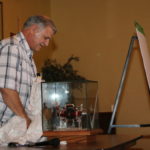
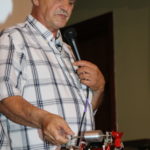
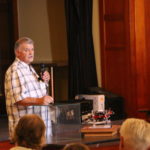
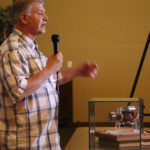
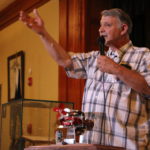
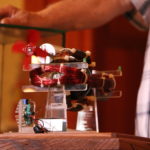
Back in 2007 I filmed a little demonstration — a completely self-running, closed-loop Bedini SG oscillator built around a trifilar coil. No batteries in the loop… just capacitors that keep charging themselves indefinitely while the system runs at a voltage far below what the transistor is “supposed” to need.
Watch the newly re-uploaded video here (details below the video):
What you’re seeing:
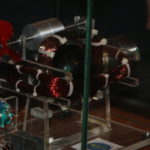
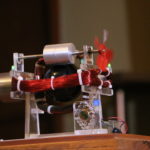
- Classic trifilar Bedini SG coil (23-gauge, ~2,000 turns): power, trigger, and one completely isolated recovery winding
- RCA 3055 transistor (yes, the old-school one)
- Front-end powered only by capacitors that are being conditioned with a high-frequency, high-voltage relay/ignition-coil pulse circuit
- Recovery energy from the isolated winding is fed straight back to the input capacitors — the input side literally cannot “see” the output side – if it did, it would wind down fast and defeat itself
- A simple ground rod connected to the circuit (just like John Bedini showed on the original 1990s KeelyNet schematics)
The result? The input capacitor drops a little at start-up, then climbs back up and just… stays there. I left it running for a long time until I literally got bored. The system stabilizes and oscillates forever on its own recovered energy — and it does it while running on less than a volt, way under the official transistor spec. That alone tells you something very non-conventional is happening with the current.
John Bedini always insisted the earth ground made the machine “run stronger.” Most builders ignored that detail. This demo proves he was right — you can see the dramatic difference the moment the ground rod is connected.
Those old original schematics that John originally posted are down below.
Why this matters in 2025
Two weeks ago I wrote about the Benitez self-running systems from the early 1900s. After personally witnessing multiple closed-loop devices over the years — including this simple oscillator — I’m no longer surprised that Benitez may have been telling the truth. In fact, when you study his patents side-by-side with some of the later “free energy” circuits that became famous, the family resemblance is unmistakable.
The real magic isn’t in complicated hardware. It’s in understanding switching, energy recovery, conditioning (caps or batteries), and the role of the local environment (yes, including that ground rod most people leave out).
The treasure trove awaits you
Everything I’ve learned over decades — plus thousands of posts, photos, scopes shots, and complete build details from John Bedini, Peter Lindemann, Eric Dollard and many others — lives inside Energetic Forum.
We’re actively posting new material again, and some of the most exciting SG-related projects I’ve been working on behind the scenes will start appearing there first.
Join today — it’s 100% free, approvals happen several times a day, and you’ll instantly get access to gigabytes of the most authoritative open-source material on the planet for these topics.
👉 https://www.energeticforum.com
Come share your thoughts, your builds, and your questions. The forum is alive again — and the next wave of breakthroughs is going to come from builders like you



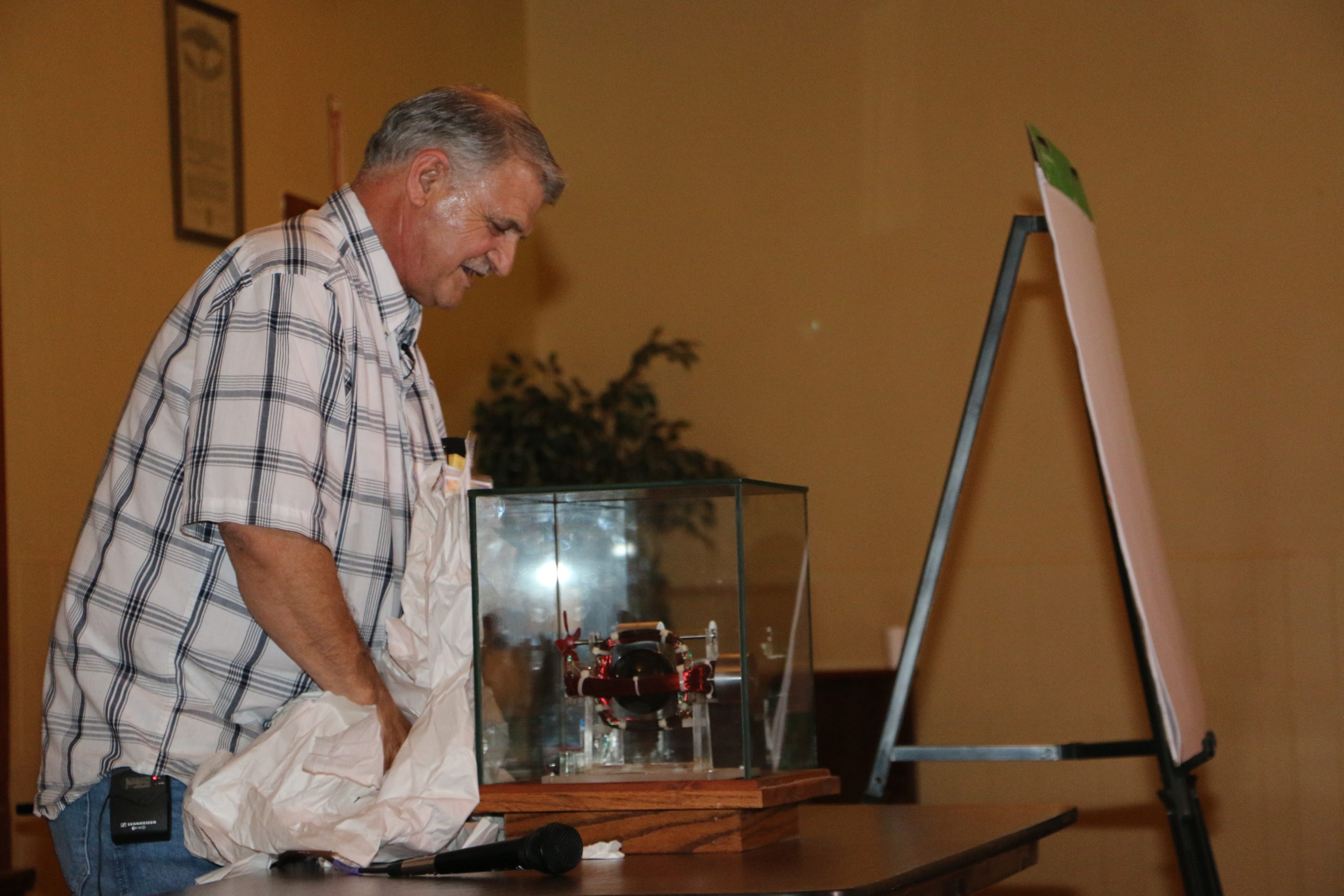


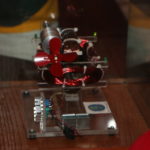

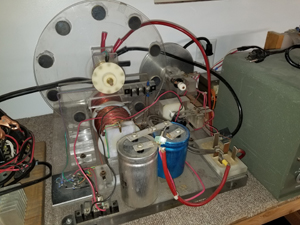 It was done most often with a plexiglass rotor where the coils were on both sides of the face of the rotor rather than at the circumference. It charged a large cap bank, which was then discharged to output bank. A battery was then shuttled back and forth between the front and back indefinitely without ever having to place them on a regular charger to charge them up since the machine and its setup accomplished this.
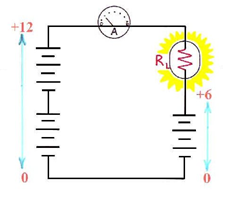 By this time, the Laws of Thermodynamics had become widely taught, and so most electrical engineers did not take these claims seriously. Even today, 99% of scientists and engineers believe this is impossible, under any circumstances.